
Why You Can’t Always “Set the Gas” in Modern Cars – And Why It Matters When You Start Driving Your Own Car

If you have watched older driving tutorials, or had help from family or friends, you may have heard the advice to “set the gas to around 1500 revs” before bringing the clutch up.
For many years, this was perfectly reasonable advice. Learners could hold the accelerator steady, lift the clutch slowly, and the car would move away smoothly and predictably.
In many modern cars, including most instructor vehicles, this technique no longer behaves in the same way. Even if you hold the accelerator completely still, the engine speed may rise or fall on its own. This can feel confusing, especially when you are doing exactly what you have been told.
More importantly, this creates a second problem that is often overlooked. Most learners pass their test in a modern instructor car, but then go on to buy an older used car. These older cars behave very differently. If learners have only been taught to rely on modern engine assistance, the transition can be difficult and frustrating.
Understanding why modern cars behave differently, and why proper clutch control matters so much, is essential if you want to become a confident driver in any car, not just the one you learned in.
Quick Answer: Why Modern Cars Feel Easier to Drive
Modern cars use electronic engine management systems that automatically adjust engine power when you lift the clutch. This makes moving off smoother and reduces the chance of stalling. Older cars do not provide this assistance, so drivers must use more precise clutch and accelerator control. This is why learners who pass in modern cars may initially find their own older car harder to drive. Developing proper clutch control ensures you can confidently drive any manual car.
Modern Cars Do Not Respond in the Same Way Older Cars Did
In older vehicles, the accelerator pedal was connected directly to the engine using a cable. Your foot position physically controlled the throttle opening. If you held the pedal still, the engine speed stayed relatively stable.
Modern vehicles use electronic throttle control. Instead of a cable, the accelerator pedal sends a signal to the engine control computer. That computer then decides how the engine responds.
It constantly adjusts fuel delivery, airflow, and emissions systems to improve efficiency, reduce pollution, and protect the engine.
This means that even if your foot remains completely still, the engine may adjust itself automatically.
This is normal behaviour in modern vehicles.
It also means that trying to hold the engine at an exact number on the rev counter is no longer essential, and often not helpful.
Modern Instructor Cars Often Make Moving Off Easier
Most modern driving school cars are designed to be smooth, efficient, and forgiving.
Many will:
Automatically increase engine power as you lift the clutch
Reduce the likelihood of stalling
Smooth out small mistakes in coordination
Provide electronic assistance that older cars simply do not have
This makes them excellent teaching vehicles. They allow learners to focus on safety, observation, and decision making, without being overwhelmed mechanically.
However, this assistance can also hide the mechanical reality of how the clutch actually works.
This becomes important later.


The Problem: Most Learners Go On to Drive Older Cars After Passing
This is the part that many learners are not warned about.
After passing their test, most new drivers do not buy a brand new car. They typically buy an older used vehicle. These cars often have:
Less electronic assistance
Less forgiving clutch control
More sensitive biting points
Engines that do not automatically increase power
In these cars, if you do not apply the accelerator correctly, the car will simply stall.
There is no computer stepping in to help you.
This is often the moment where new drivers suddenly lose confidence. They feel like they have forgotten how to drive, when in reality they simply need to adapt to a different vehicle.
This is completely normal, but it highlights why proper clutch control is so important.
Proper Clutch Control Is the Real Skill That Makes You Adaptable
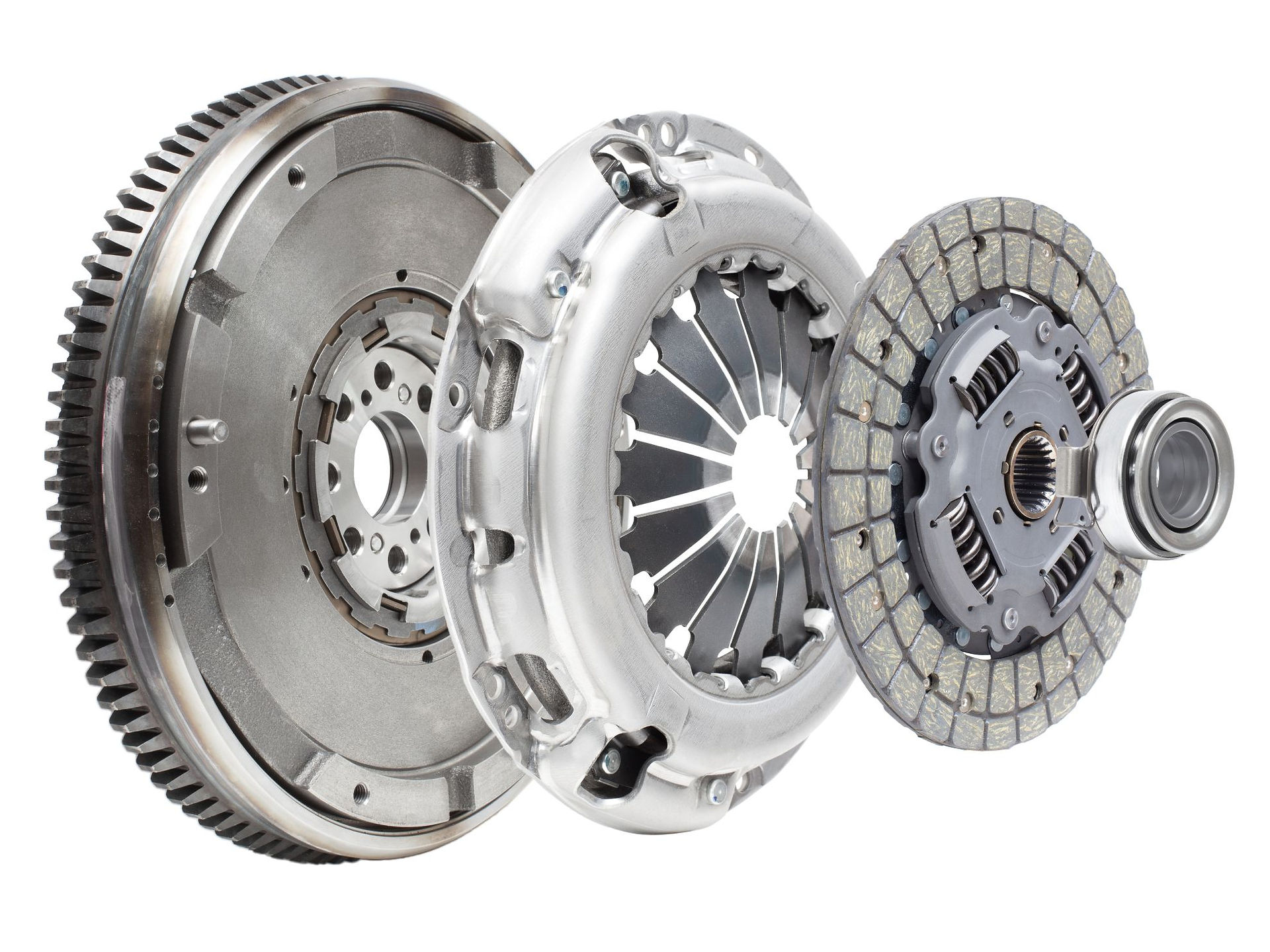
The clutch is what connects the engine to the wheels. Learning to control that connection smoothly is the foundation of driving a manual car.
When you develop proper clutch control, you gain the ability to:
Move off smoothly in any car
Prevent stalling
Control the car in traffic
Handle hill starts confidently
Adapt quickly to unfamiliar vehicles
Drivers who rely only on engine assistance often struggle when they encounter a less forgiving car.
Drivers who understand clutch control properly can adapt within minutes.
This is why professional instruction focuses on coordination and feel, not fixed numbers on the rev counter.
Why We Sometimes Teach Learners in Their Own Car
At DTMK Driving School, once a learner has their own vehicle, we often spend time teaching them in that car.
This is one of the most valuable lessons you can have before or shortly after passing your test.
Every car feels slightly different. The clutch biting point may be higher or lower. The engine may respond differently. The pedals may feel heavier or lighter.
Spending time learning your own vehicle allows you to:
Build confidence in the exact car you will drive daily
Learn how your clutch and accelerator behave
Practise real world manoeuvres in your own vehicle
Avoid confidence loss after passing your test
This ensures that passing your test is not the end of your learning, but the beginning of confident independent driving.
Real World Examples
Moving off at traffic lights
In a modern instructor car, you may be able to lift the clutch slowly and the car will help you move off smoothly.
In an older car, you may need to apply the accelerator more deliberately. Without this, the engine may stall.
Drivers who understand clutch control adapt quickly.
Drivers who rely on the car helping them often struggle initially.
Hill starts in Milton Keynes
Milton Keynes contains a mix of flat roads and steeper gradients, particularly around car parks, older estates, and multi storey car parks.
Modern cars often provide additional engine assistance.
Older cars require more precise clutch and accelerator coordination.
Learning proper clutch control prepares you for both.
Slow moving traffic and roundabouts
Milton Keynes has many roundabouts where slow control is essential.
Modern cars often smooth out clutch engagement.
Older cars require more precise control.
Proper clutch technique ensures smooth and confident driving regardless of the vehicle.
Why This Matters for Learners and Drivers in Milton Keynes
Most learners in Milton Keynes pass their test in a modern instructor car and then move into a used car shortly afterwards.
This transition is one of the most common points where new drivers lose confidence.
It is not because they cannot drive.
It is because their new car behaves differently.
By focusing on proper clutch control during lessons, and by offering lessons in the learner’s own car when available, we ensure drivers are prepared for real world driving, not just the test.
This is essential for long term confidence and safety.
Frequently Asked Questions
Should I try to hold the revs at a specific number?
No. The exact rev number is not important. What matters is smooth coordination between the clutch and accelerator.
Why does my instructor’s car feel easier than my own car?
Modern instructor cars often provide more engine assistance and smoother clutch engagement. Older cars require more precise control.
This is normal.
Is it normal to stall more in my own car after passing?
Yes. This is extremely common. It simply means your car behaves differently. With a little practice, you will adapt quickly.
Should I take lessons in my own car after passing?
This can be very helpful. It allows you to build confidence in your own vehicle and adapt safely with professional guidance.
Am I being taught properly if the car helps me move off?
Yes. Modern cars behave differently, but proper instruction focuses on clutch control, awareness, and adaptability.
This prepares you to drive any car safely.
Summary
Modern cars do not behave in exactly the same way older cars did. Engine computers constantly adjust how the engine responds, which means holding the accelerator still does not always produce fixed engine speeds.
This makes modern cars smoother and easier to drive, but it can also hide the mechanical reality of clutch control.
Most learners go on to drive older used cars after passing their test. These cars require more precise coordination.
By developing proper clutch control and adaptability, you become capable of driving any vehicle confidently.
This is the real goal of professional driving instruction.
Driving Lessons in Milton Keynes
At DTMK Driving School, the focus is not just on passing the driving test, but on preparing you for real world driving afterwards.
This includes developing proper clutch control, understanding how different cars behave, and ensuring you are fully confident in your own vehicle.
For learners who already have a car, lessons in your own vehicle can be an excellent way to build confidence and ensure you are fully prepared for independent driving in Milton Keynes and beyond.


Comments